Farnham GU9 Deep Cleaning for Period Cottages
Period cottages have a charm you can feel the moment you walk in: sloping floors, old timber, tiny cupboards that seem to have their own history, and plaster that has survived more winters than anyone wants to count. But that charm also means dirt, dust, soot, grease, and damp-prone corners can build up in places a standard clean just won't reach. That is where Farnham GU9 deep cleaning for period cottages comes in. Done properly, it is less about making everything look shiny for a day and more about carefully restoring a home so it feels fresher, safer, and easier to live in without stripping away the character that makes it special.
If you are deciding whether a one-off deep clean is worth it, or wondering how to tackle an older property without damaging delicate finishes, this guide will walk you through the practical side of it. We will look at what makes period cottages different, how deep cleaning is usually approached, where the risks are, and what to ask for if you want a careful, professional result. Truth be told, older homes reward a gentle but thorough method. Rush it, and you can do more harm than good.
For readers comparing services or planning a wider home reset, it can also help to understand related options such as deep cleaning, one-off cleaning, and domestic cleaning. The right choice depends on the condition of the cottage, the materials involved, and how much detail the property needs.
Table of Contents
- Why Farnham GU9 deep cleaning for period cottages Matters
- How Farnham GU9 deep cleaning for period cottages Works
- Key Benefits and Practical Advantages
- Who This Is For and When It Makes Sense
- Step-by-Step Guidance
- Expert Tips for Better Results
- Common Mistakes to Avoid
- Tools, Resources and Recommendations
- Law, Compliance, Standards, or Best Practice
- Options, Methods, or Comparison Table
- Case Study or Real-World Example
- Practical Checklist
- Conclusion
- Frequently Asked Questions
Why Farnham GU9 deep cleaning for period cottages Matters
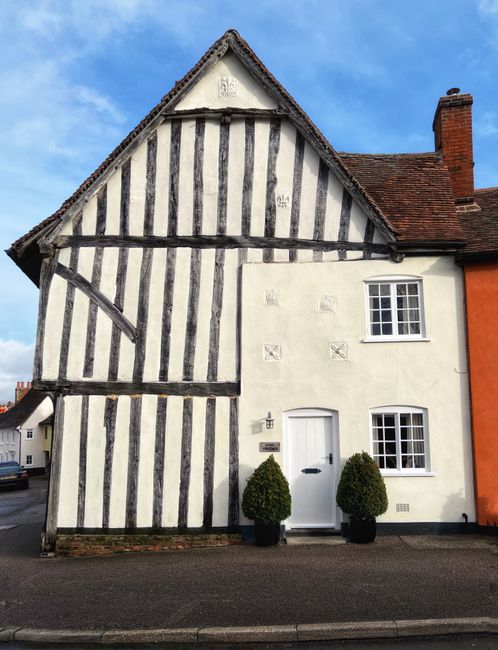
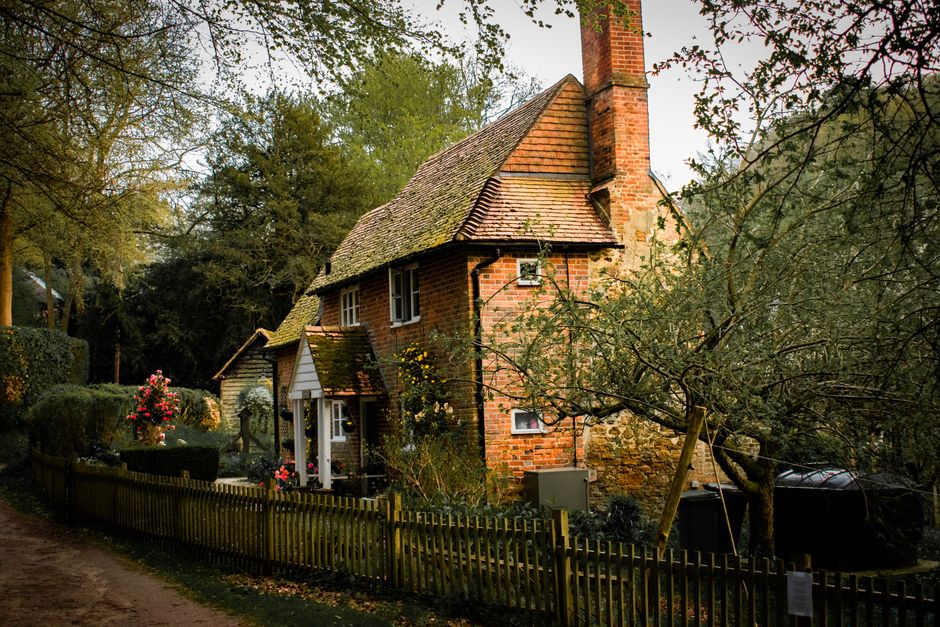
Period cottages are not just "older houses". They often have lime plaster, wooden floors, original joinery, older fireplaces, cast iron radiators, narrow staircases, and ventilation patterns that are, let's say, a little more adventurous than modern builds. Dust settles in ledges and beams. Grease clings to older kitchen surfaces. Soot and candle residue can linger around fireplaces. In some cottages, moisture can sit quietly in corners until a musty smell starts creeping out after a wet week.
That means a standard surface clean often misses the real problem. You wipe what you can see, but grime remains in timber grain, grout lines, behind radiators, under fixed furniture, and around old fittings. A proper deep clean addresses these hidden areas while being careful about fragile surfaces. That balance matters. Too much water on old floors? Risky. Harsh chemicals on heritage paint or stone? Also risky. The goal is not just cleanliness; it is preservation.
There is also a practical side. If you are planning to sell, let, renovate, or simply settle in more comfortably, a deep clean can reveal what is actually dirt and what might be a maintenance issue. A stained ceiling, for example, could be a one-off mark or a clue that a roof patch needs attention. In older properties, cleaning and inspection go hand in hand more than people expect. You notice things when the clutter and buildup go.
Expert summary: In period cottages, the best deep cleaning approach is careful, staged, and material-aware. The aim is to remove built-up grime without undermining original features, finishes, or breathable surfaces.
How Farnham GU9 deep cleaning for period cottages Works
A good deep clean for a period cottage is usually planned room by room, with the method chosen according to the surfaces involved. You do not clean a slate floor the same way you clean painted timber. You do not treat a limewashed wall like a glossy bathroom panel. That sounds obvious, but it is exactly where mistakes happen.
Most professional jobs begin with an assessment. What is the condition of the property? Which rooms have the worst build-up? Are there delicate fabrics, antique fittings, or original floors that need a lighter touch? This first look shapes the whole job. Then the cleaning team will usually work from the top down and from cleaner areas to dirtier areas, so dust does not get dragged across already-finished surfaces. A sensible order saves time and reduces rework. Nice and simple, really.
The work often includes:
- careful dust removal from beams, coving, picture rails, and high ledges
- degreasing of kitchens, splashbacks, doors, handles, and switches
- deep attention to skirting boards, window frames, and sills
- vacuuming and washing floors with methods suited to the material
- limescale removal in bathrooms where appropriate and safe
- spot treatment of stains, marks, and odours
- detail cleaning behind and under furniture where access allows
In some cottages, specialist tasks are also needed. A stove area might need careful soot removal. A hallway runner might benefit from carpet cleaning or rug cleaning. Upholstered chairs, curtains, and beds can hold a surprising amount of dust in a compact cottage, so upholstery cleaning, curtain cleaning, or mattress cleaning may be part of the plan if the home needs a truly full reset.
To be fair, every cottage is a bit different. One may be all open beams and stone flags; another may be a patchwork of later repairs and modern additions. That is why a careful pre-clean walkthrough matters more than a generic checklist.
Key Benefits and Practical Advantages
The obvious benefit is cleanliness, but in a period cottage that is only the start. A detailed clean can improve how the whole property feels day to day. You open a cupboard and the stale smell has gone. The kitchen feels brighter. The floors no longer crunch with mystery dust. Small things, yes, but they change how a home lives.
- Better preservation of original features: Gentle, suitable methods help protect older finishes, timber, and stone.
- Improved indoor comfort: Removing dust and buildup can make rooms feel fresher and easier to breathe in, especially after a long closed-up winter.
- Less hidden grime: Deep cleaning gets into corners, edges, and awkward spaces that daily cleaning misses.
- Fewer smells trapped in soft furnishings: Useful in cottages where cooking, pets, or damp can leave lingering odours.
- Better presentation: Helpful before sale, after tenancy, before guests arrive, or after renovation dust settles.
- Early warning for maintenance issues: Dirt removal can expose cracks, leaks, mould spots, or failing sealant.
There is also a mental benefit people underestimate. Older homes can start to feel heavy when surfaces are dulled by dust and years of layer-upon-layer living. A deep clean lifts that weight a bit. Not magic, obviously, but noticeable. You walk in and the place feels cared for again.
If your cottage also has a garden-facing patio, old brickwork, or outside areas that drag mud indoors, extra services such as patio cleaning can help keep the inside cleaner for longer. And if the property has outdoor build-up around roofs or gutters, gutter cleaning can reduce some of the damp and overflow issues that make interior cleaning work harder than it needs to.
Who This Is For and When It Makes Sense
Farnham GU9 deep cleaning for period cottages is not just for people with major mess on their hands. In fact, many of the best jobs happen before a property becomes visibly grimy. If you wait until everything looks tired, the job tends to become more intense and a bit more expensive. Better to catch it earlier if you can.
This service makes sense if you are:
- moving into a period cottage and want a proper reset before unpacking
- moving out and need the property cleaned carefully for handover
- preparing a home for sale or viewings
- dealing with long-term dust, soot, or kitchen grease
- refreshing a cottage after renovation or decorating
- opening up a second home after it has stood closed for months
- supporting an older relative who finds regular cleaning physically difficult
- dealing with pet hair, odour, or fabric staining in a character property
It is also a smart move after seasonal changes. Period cottages often hold winter dust, condensation residue, and fireplace debris that become obvious once the weather turns. In summer, open windows can bring in pollen and outside grit. If the cottage is used for short stays or furnished letting, a more thorough clean between occupants can make a big difference to how the place presents.
One useful rule of thumb: if you are starting to clean one area and keep finding three more that need proper attention, it is probably time for a deep clean rather than another round of surface wiping. Happens all the time.
Step-by-Step Guidance
Here is a practical way to approach a deep clean in a period cottage without turning the whole thing into a weekend-long battle.
- Walk the property first. Look for fragile finishes, stained areas, stubborn dust, damp marks, and surfaces that need special care. Do not skip the awkward corners. They are usually the important ones.
- Decide what needs specialist treatment. Carpets, upholstery, stone floors, ovens, and bathrooms often need more than general cleaning. If needed, book those tasks alongside the main clean so the results match.
- Declutter before cleaning starts. In older cottages, small objects and mismatched furniture can make hidden dirt hard to reach. Clear surfaces, lift lightweight items, and create access.
- Dry-dust first. Remove loose dust from beams, shelves, fixtures, lampshades, and tops of cabinets before applying any liquid. This stops dust from turning into sticky residue.
- Work from top to bottom. Clean ceilings, high ledges, and upper fixtures before moving to lower surfaces, then floors last.
- Use the right method for the surface. Timber, stone, tile, porcelain, painted plaster, and brass each need a different approach. If you are unsure, test a hidden spot first.
- Address fabrics and soft furnishings. Curtains, sofas, mattresses, and rugs can hold far more dust than they look like they do.
- Finish with detail checks. Look at switches, handles, edges, vents, skirting, and thresholds. This is where a deep clean starts to look complete rather than merely tidy.
- Ventilate properly. Open windows where suitable and safe so moisture does not linger in an older building.
- Review and spot-correct. Walk through again once everything is dry. This is usually when missed marks or dull spots show up.
A good deep clean does not rush. It follows the building. Old homes tell you how to treat them if you pay attention.
Expert Tips for Better Results
Small decisions make a big difference in period properties. Here are the habits that tend to pay off.
- Choose gentle products first. Stronger chemicals are not always better. Many old surfaces respond better to mild, controlled cleaning than aggressive scrubbing.
- Control moisture. Too much water can seep into floorboards, plaster, or ageing sealants. Use as little liquid as you need, not as much as feels satisfying in the moment.
- Respect breathability. Some period materials need to breathe. Coating or soaking them can trap problems rather than solve them.
- Think in layers. One pass may remove surface grime, but second and third passes are often needed for old buildup. Patience beats force.
- Protect original finishes. Scrubbing an old painted door until it shines can be a bad idea if the paint is already fragile.
- Time fabric cleaning carefully. In a cottage with limited drying space, schedule soft furnishing cleaning when the weather and airflow will help.
- Check hidden trouble spots. Behind radiators, around fireplaces, under sinks, and inside built-in cupboards are classic dust traps.
If there is one bit of advice that saves grief, it is this: test first, clean second. Not glamorous, but it works.
And yes, a microfiber cloth and a vacuum can solve more problems than a heroic all-purpose spray ever will. Slightly dull answer maybe, but practical.
Common Mistakes to Avoid
Older homes are forgiving in some ways and unforgiving in others. Here are the errors people make most often.
- Using harsh products on delicate surfaces: Strong bleach, abrasive powders, and heavy degreasers can strip finishes or leave patchy results.
- Over-wetting timber or plaster: Water damage can be subtle at first. Later, you notice lifting paint, soft boards, or recurring damp.
- Cleaning in the wrong order: If you clean floors before overhead dust, you will just make more work.
- Ignoring ventilation: Period cottages already need careful airflow. Leaving cleaning moisture trapped can create a stale smell fast.
- Forgetting fabrics and soft items: A sparkling kitchen will not help much if the sofa, rugs, and curtains still hold months of dust.
- Assuming all "old" means "fragile": Some surfaces are sturdy, but many have repairs or mixed materials. The trick is not assuming either way.
- Trying to do everything in one rushed session: Deep cleaning is better when it is methodical. Rushing makes people miss edges, corners, and awkward joins.
One surprisingly common mistake? People clean around clutter instead of moving it. That usually means the real dirt stays hidden, and the room only looks clean from one angle. Bit of a trap, that.
Tools, Resources and Recommendations
You do not need a warehouse full of kit to deep clean a period cottage, but you do need the right tools for careful work. A basic, well-chosen set is better than a pile of gadgets that all do the same thing badly.
| Tool or Resource | Best Used For | Why It Helps in Period Cottages |
|---|---|---|
| Microfiber cloths | Dusting and polishing | Lift dust gently without scratching delicate finishes |
| HEPA vacuum | Floors, edges, upholstery | Captures fine dust better in older homes with more settled debris |
| Soft brushes | Skirtings, vents, carvings, fixtures | Reaches decorative details without abrasion |
| Neutral cleaners | General surface cleaning | Useful when you need a safer, less aggressive option |
| Steam cleaning equipment | Some carpets, tiled areas, and fabrics | Can be effective, but only if the surface can tolerate heat and moisture |
| Lint rollers and fabric tools | Curtains, lampshades, cushions | Good for quick dust and hair removal in lived-in rooms |
| Spot-test materials | Hidden areas before treatment | Helps avoid unexpected damage or colour lift |
If the property includes a lot of soft furnishing work, services such as sofa cleaning, stain removal, or pet stain and odour removal can be especially helpful. Likewise, older kitchens often benefit from oven cleaning, which tends to make the whole room feel cleaner than almost any other single task. Funny how one greasy oven can drag down an entire kitchen mood.
If floors are a priority, consider whether the home needs hard floor cleaning or a more fabric-focused service. And if the cottage has been subject to dust from decorating or repairs, pairing the job with after builders cleaning may save a lot of effort.
Law, Compliance, Standards, or Best Practice
Deep cleaning in a period cottage is not usually a heavily regulated activity in the way construction or electrical work might be, but there are still sensible standards to follow. Good providers should work with appropriate insurance, safe handling practices, and clear communication about what can and cannot be cleaned safely.
If a property has fragile plaster, historic fabric, mould concerns, asbestos risks from old materials, or significant structural damp, cleaning should not be treated as a stand-alone fix. Those issues may need inspection or specialist advice. A careful cleaner will recognise when a problem is beyond normal cleaning and flag it rather than pretending otherwise. That honesty matters.
In the UK, best practice usually means:
- using products and methods suitable for the surface
- following sensible health and safety procedures
- protecting the client's property from avoidable damage
- being transparent about limitations
- using insured teams where appropriate
It is also reasonable to ask how waste water, packaging, and used materials are handled. For customers who care about environmental impact, a provider's approach to recycling and sustainability can be part of the decision. If you are comparing options or checking what is included, the provider's health and safety policy, insurance and safety, and pricing and quotes pages can help you understand what to expect before booking.
And on a practical note: if a service is vague about materials, access, drying times, or risk, that is a signal to ask more questions. Better a slightly awkward conversation now than a regrettable patch on an original floor later.
Options, Methods, or Comparison Table
Not every cottage needs the same level of intervention. Sometimes the right answer is a light reset. Other times, you need the full works. Here is a simple comparison to help you decide.
| Option | Best For | Strengths | Trade-Offs |
|---|---|---|---|
| Standard clean | Homes already kept in reasonable order | Quick, affordable, routine upkeep | Misses hidden grime and detail areas |
| One-off deep clean | Busy households, pre-sale, seasonal reset | Targets built-up dirt, corners, and neglected areas | Takes longer and usually costs more than routine cleaning |
| Move-in or move-out clean | Property handovers | Focuses on presentation and overlooked spaces | May not include specialist fabric or restoration tasks |
| Specialist full-home refresh | Older cottages with mixed surfaces and heavy buildup | Can combine carpets, upholstery, ovens, floors, and detail work | Requires more planning and coordination |
For many Farnham GU9 cottages, the best value comes from combining a deep clean with a few targeted extras. A kitchen with an old oven, a hallway carpet, and two worn armchairs can transform the whole feel of the house if handled together. You do not always need everything, but sometimes a few well-chosen pieces make the biggest difference.
Case Study or Real-World Example
A typical local scenario might look like this. A couple moves into a late Victorian cottage in GU9 after it has stood empty for a while between owners. On first glance, the house seems "fine enough". But after a day or two, they notice dust on the tops of doors, grime around the kitchen handles, a faint smell in the hallway carpet, and a film on the inside of the windows that only shows up once the sun comes through in the morning.
They start by clearing the rooms and booking a deep clean rather than trying to attack everything themselves over several exhausted evenings. The team begins with top surfaces, works through the kitchen, then treats the carpeted hallway, sofa, and mattress areas that have clearly held onto dust for years. In the bathroom, old limescale and soap residue are dealt with carefully rather than scrubbed aggressively. The result is not a "new" house, because of course it is still an old cottage. But it feels lighter, brighter, and far easier to live in.
What changed most was not just appearance. The couple could see which areas needed maintenance, which were merely dirty, and which had been hidden by layers of everyday buildup. That clarity is often the real value of a proper deep clean. You finally know what you are dealing with.
They also kept the approach sensible afterwards: regular surface cleaning, a quarterly review of dust-prone spots, and occasional specialist work on fabrics and carpets. Nothing heroic. Just steady care, which is usually the secret with older homes.
Practical Checklist
Use this checklist before and during Farnham GU9 deep cleaning for period cottages.
- Identify original or fragile materials that need gentle treatment
- Decide which rooms need specialist attention first
- Clear clutter and move lightweight furniture where safe
- Vacuum or dry-dust before using water or product
- Test cleaners on hidden spots
- Clean from top to bottom
- Pay attention to skirting boards, frames, handles, and switches
- Include fabrics, rugs, curtains, and upholstery if they hold dust or odour
- Ventilate rooms during and after cleaning
- Check for damp, flaking paint, loose seals, or unusual marks while surfaces are visible
- Allow proper drying time before moving furniture back
- Do a final walk-through in daylight if possible
If you want a simple rule to remember, it is this: careful preparation saves more time than aggressive scrubbing ever will. In older homes, that is about as true as it gets.
Conclusion
Farnham GU9 deep cleaning for period cottages is really about respect: respect for the building, for the materials, and for the way an older home is meant to be cared for. A period cottage does not need to be treated like a modern flat with hard surfaces and simple lines. It needs judgment. It needs patience. And it needs the right combination of thoroughness and restraint.
When done well, a deep clean can lift years of everyday buildup, improve comfort, reveal maintenance issues early, and help a historic home feel loved again. Whether you are moving in, moving out, refreshing after winter, or just tired of dust settling back the moment you finish cleaning, a careful deep clean is often one of the most satisfying things you can do for an older property. It quietly changes how the home feels beneath your feet and in the air around you.
If you are weighing up options, compare what is included, ask about materials and methods, and choose the approach that fits the cottage rather than forcing the cottage to fit the service. That bit matters more than people think.
Get a free quote today and see how much you can save.
And once the dust is gone and the rooms are breathing again, the cottage usually gives back a little of its old charm. You will notice it, even if only at 8 in the morning with a cup of tea in hand.
Frequently Asked Questions
What is included in Farnham GU9 deep cleaning for period cottages?
It usually includes detailed cleaning of kitchens, bathrooms, floors, skirting boards, window frames, fixtures, and hard-to-reach areas. In period cottages, the exact scope should also account for delicate finishes, original woodwork, fabrics, and any material that needs a gentler method.
How is a period cottage deep clean different from a normal house clean?
A normal clean focuses on routine upkeep. A period cottage deep clean goes further into build-up, edges, hidden dust, and material-specific care. It also tends to involve more caution because old homes often have older finishes, mixed repairs, and surfaces that can be damaged by harsh products or too much water.
Can deep cleaning damage original features?
It can, if the wrong products or techniques are used. That is why testing a small area first, choosing mild solutions, and working carefully around timber, lime plaster, stone, and older paint finishes matters so much. A good cleaner treats preservation as part of the job.
How often should a period cottage be deep cleaned?
There is no single rule, because it depends on how the property is used. Many owners arrange a deep clean seasonally, before a move, after works, or whenever dust and grime start to build up beyond normal cleaning. Busy family homes may need it more often than quiet second homes.
Is steam cleaning safe for older homes?
Sometimes yes, sometimes no. Steam can be useful for some sealed surfaces, tiles, and fabrics, but it is not suitable for every floor, finish, or fitting. In older cottages, moisture and heat need to be handled with care, so surface checks and professional judgment are important.
What areas of a cottage are usually missed during regular cleaning?
Commonly missed areas include behind radiators, under beds, along skirting boards, top edges of doors, window tracks, light fixtures, and the backs of cupboards. In older homes, dust also tends to gather in beams, cornices, and uneven joins where modern tools do not always reach properly.
Do I need to move out during the deep clean?
Usually not, but it can help if the property is very cluttered, if multiple rooms need intensive work, or if you want cleaning to happen without interruption. For some households, being out for the day makes the process smoother and allows better drying and ventilation afterwards.
How long does a deep clean take in a period cottage?
It depends on the size, condition, and scope of work. A compact cottage with moderate buildup may be handled in a day, while a larger or more neglected property can take longer. Specialist tasks such as carpet, upholstery, or oven cleaning will add time, as they should.
Should I book carpet and upholstery cleaning at the same time?
If the soft furnishings are dusty, stained, or holding odours, yes, that is often sensible. Doing them alongside the main deep clean creates a more even result and saves having to bring people back later. It also helps the whole home feel fresher at the same time.
What should I ask before booking a cleaning service for a period home?
Ask what products are used, how they handle delicate surfaces, whether the team is insured, what is included in the quote, and whether they have experience with older properties. It is also reasonable to ask about drying times, ventilation, and any limits around fragile or specialist materials.
Is a deep clean worth it before selling a cottage?
Often, yes. A well-cleaned period cottage tends to present better, smell fresher, and show its features more clearly. Buyers notice when a home feels cared for. It does not change the age of the property, of course, but it can make the right impression very quickly.
How do I keep a period cottage cleaner for longer after the deep clean?
Keep up with light regular cleaning, ventilate rooms where possible, deal with spills quickly, vacuum dust-prone areas more often, and avoid letting clutter build up in corners or around fireplaces. A few minutes here and there can save a lot of heavier work later on.